
Identification
Essential Oil of Java Citronella
(Cymbopogon winterianus Jowitt)
Origin: Vietnam
Processing method: Steam distillation of the partially wilted leaves.
EINECS-CAS: 91771-61-8
EC: 294-954-7
Specification
Odour: Strong, lemony, herbaceous.
Appearance: Clear to yellow liquid.
Relative density (20°C): 0.870 to 0.895
Refractive index (20°C): 1.460 to 1.482
Optical rotation (20°C): -6° to 0°
Flash point: 81°C (closed cup)
Citronellal: 31% to 39%
Geraniol: 19% to 25%
Citronellol: 8.5% to 13%
Citronellyl acetate: 2% to 4%
Geranial: 0% to 1%
Plant material and cultivation details
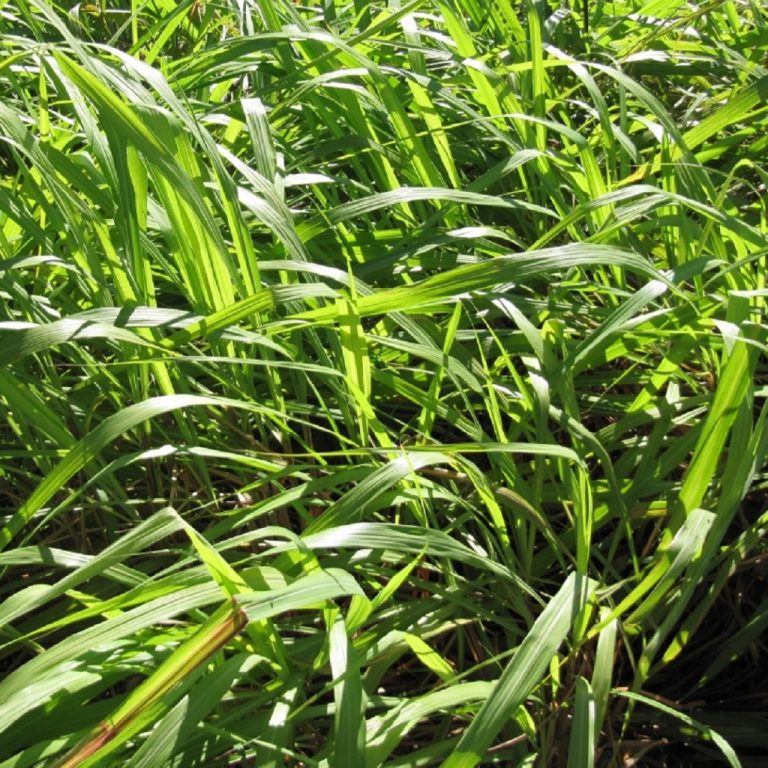
Java Citronella (Cymbopogon winterianus) is a robust, aromatic, evergreen, perennial, clump-forming grass with numerous erect culms arising from a short rhizome. The culmps can be up to 2.5 metres tall, 0.5m in diameter and economic lifetime is about 6 years.
In VietNam, the average annual herbage yield of citronella is 4-5 tons/ha, yielding 40-60 kg citronella essential oil (1.0-1.2%). After hand harvesting, the crop is first left in the field to wilt and dry. Steam distillation is used to extract the oil from the leaves, essential oil content is highest in young leaves and dry season.
Traditional Uses
Citronella essential oil is best known for its uses in aromatheraphy, its fights depression and gives relief from anxiety, sadness, and negative feelings. Citronella oil induces a fresh, happy feeling and hope.
The crisp, rich citrus aroma of Citronella oil are commonly incorporated into soaps, lotions, sprays, candles, incenses and perfumes.
Insect repellant is one of the most commonly used properties of citronella oil as it kills and keeps away insects such as mosquito, lice, body head louse and fleas. In addition, the oil contains compounds like methyl isoeugenol that exert potent antibacterial effects, making it useful for treating minor cuts and scrapes or controlling body odors caused by bacteria.